
JFK Terminal 4 Pickup Changes in 2026: Executive Arrival Logistics Explained
John F. Kennedy International Airport’s Terminal 4 has always operated differently from the rest of JFK, but in 2026 those differences matter more than ever for executive travelers. Ongoing roadway reconfiguration, curbside enforcement changes, and parking garage adjustments have altered how professional chauffeurs manage arrivals, especially for international passengers clearing U.S. Customs and Border Protection. This guide is written from daily, real-world chauffeur operations, not theory. It explains how Terminal 4 pickups actually function in 2026, what has changed, and how executives traveling to New York City, Westchester, or Connecticut can avoid unnecessary delays immediately after landing.
Why Terminal 4 Has the Most Pickup Friction at JFK
Terminal 4 handles the highest volume of international arrivals at JFK, anchored by Delta Air Lines and multiple long-haul carriers. Unlike terminals with more evenly distributed domestic traffic, Terminal 4 experiences concentrated arrival waves tied to transatlantic and South American schedules. When multiple widebody aircraft release passengers into CBP simultaneously, curbside pressure increases rapidly.
Another factor is shared roadway usage. Commercial vehicles, private chauffeurs, hotel shuttles, and rideshare drivers all compete for limited curb frontage. In 2026, enforcement officers actively move vehicles after brief dwell times, which disproportionately affects inexperienced drivers. Professional chauffeurs must anticipate these enforcement windows and stage accordingly. Terminal 4’s layout also forces arriving passengers to choose between upper and lower curbs before they fully understand where their vehicle is positioned, creating confusion that slows pickups.
2026 Roadway and Garage Changes Affecting Terminal 4 Pickups
The Port Authority of New York and New Jersey continues phased roadway modifications around Terminal 4 as part of JFK’s broader modernization program. In 2026, several changes directly affect arrival pickups. First, curbside dwell times are shorter and more actively enforced, especially during evening international arrival peaks. Second, access lanes feeding the terminal loop have been narrowed at certain points, increasing the penalty for mistimed entry.
The Terminal 4 parking garage has also undergone operational adjustments. While structurally complete, internal traffic flow has been altered to prioritize short-term parking over active pickups. This means garage pickups require tighter coordination between chauffeur and passenger. Entering the garage too early results in circling delays; entering too late forces the passenger to wait inside with luggage. Experienced chauffeurs now use off-terminal staging areas and time their garage entry only after CBP release confirmation, a practice rideshare drivers rarely follow.
Terminal 4 Arrival Pickup Options Compared
Executives arriving at Terminal 4 generally have three pickup options, each with advantages and limitations in 2026 operations.
Upper Curb Pickup
The upper curb is closest to baggage claim exits but suffers from heavy enforcement. It works best for travelers with minimal luggage arriving during low CBP volume windows. During peak periods, vehicles are often moved before passengers reach the curb.
Lower Curb Pickup
The lower curb offers slightly longer dwell tolerance and smoother traffic flow. It is better suited for travelers with checked luggage or those arriving during international arrival surges. However, passengers must be clearly directed, as signage is less intuitive.
Parking Garage Pickup
Garage pickups provide weather protection and predictable meeting points but require precise timing. They are most effective for executives with multiple bags or families, less so for solo travelers during peak hours.
| Pickup Option | Average Clearance Time | Luggage Capacity | Enforcement Risk | Executive Suitability |
|---|---|---|---|---|
| Upper Curb | Fast off-peak, slow peak | Low–Medium | High | Conditional |
| Lower Curb | Moderate, more stable | Medium–High | Medium | High |
| Garage | Stable if timed correctly | High | Low | High with coordination |
Why Evening Terminal 4 Pickups Became Slower After Roadway Phasing
Terminal 4 roadway access changed materially after the Port Authority introduced phased lane reconfiguration as part of JFK’s landside modernization. In 2026, inbound access lanes feeding the terminal loop are narrower, and enforcement points are positioned earlier than before. This means drivers who misjudge entry timing are removed sooner and with less tolerance.
Previously, chauffeurs could recover from early arrival by circling within the terminal loop. That option no longer exists during peak enforcement windows. Vehicles now exit the loop entirely and rejoin external traffic, adding twenty to thirty minutes during evening congestion.
Experienced chauffeurs adjusted by staging off-terminal, monitoring enforcement density, and entering only during active passenger approach. This change disproportionately impacts app-based drivers and first-time airport operators who still follow legacy pickup habits.
Port Authority of NY & NJ – JFK Ground Transportation Updates
When Garage Pickups Became Slower Than Curbs at Terminal 4 (And When They Didn’t)
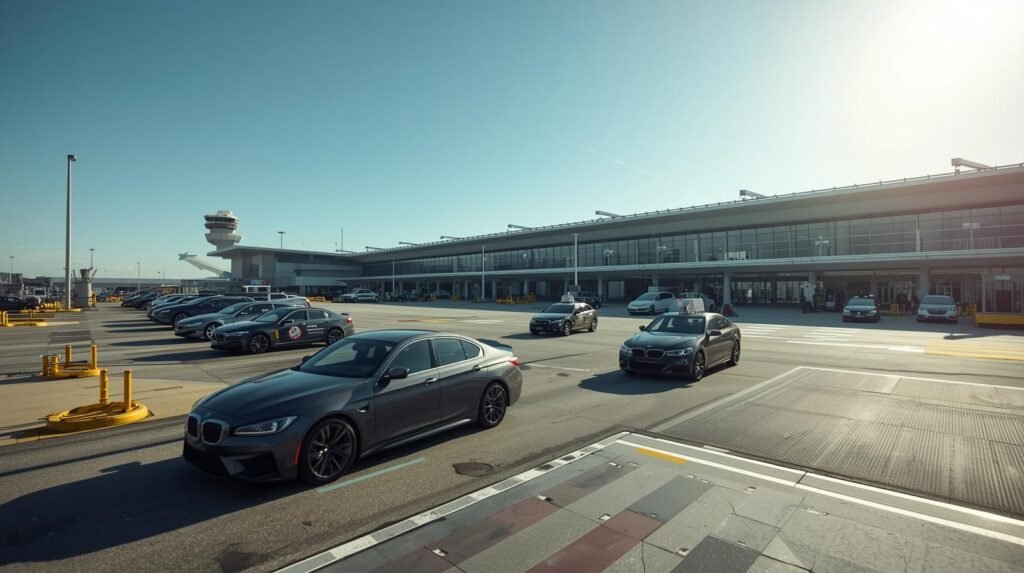
In early 2026, Terminal 4’s parking garage internal flow was modified to prioritize short-term parking circulation over active pickup staging. While the garage remains viable for executive arrivals, its efficiency now depends entirely on entry timing, not passenger preference.
During peak international arrival surges, premature garage entry creates internal bottlenecks that delay both vehicle and passenger. Conversely, entering the garage within a ten-minute window after customs release remains the most reliable pickup method for travelers with multiple bags or requiring discretion.
Chauffeurs now treat garage pickups as time-restricted operations, not default solutions. This change explains why some executives experience slower garage pickups despite choosing them to avoid curbside enforcement.
Why Routing From Terminal 4 to Connecticut Changed After Departure
Routing decisions for Connecticut-bound travelers changed in 2026 due to compounded congestion effects immediately after terminal exit. Evening CBP release waves now coincide with Van Wyck Expressway saturation, making traditional routing unreliable.
Professional chauffeurs increasingly favor Belt Parkway to Cross Island Parkway departures during these windows, even when navigation systems recommend Van Wyck access. This decision is based on enforcement delays near terminal exits and predictable choke points feeding the expressway.
Once off airport property, chauffeurs reassess Throgs Neck versus Whitestone Bridge selection based on live Bronx congestion patterns, not distance. Merritt Parkway compliance further restricts vehicle selection and routing, requiring pre-planned alternates for executive transfers into Fairfield County.
Chauffeured Pickup Routing From Terminal 4 to Connecticut and NYC
Routing decisions begin before the vehicle ever enters JFK property. For Connecticut-bound executives, chauffeurs evaluate Van Wyck Expressway conditions against Belt Parkway alternatives. In 2026, Van Wyck congestion spikes sharply after evening CBP releases, making Belt Parkway to Cross Island Parkway the preferred exit despite longer distance.
Once on Cross Island Parkway, the decision point becomes the Throgs Neck Bridge versus Whitestone Bridge. Throgs Neck typically offers smoother flow toward I-95 North during weekday evenings, while Whitestone can bottleneck at the Bronx approach. For Fairfield County destinations, professional chauffeurs also factor Merritt Parkway restrictions, ensuring vehicle compliance and avoiding last-minute reroutes.
For Manhattan-bound travelers, the Cross Bronx Expressway remains the critical risk zone. Experienced chauffeurs monitor traffic patterns in real time and may divert via Hutchinson River Parkway when westbound delays exceed predictable thresholds. These decisions are made dynamically, not by generic navigation apps.
Best Pickup Windows by Arrival Time
Arrival timing at Terminal 4 dramatically affects pickup efficiency. Early morning international arrivals, particularly between 5:30 and 7:00 AM, often clear CBP faster due to lighter staffing congestion, making curbside pickups viable. Midday arrivals see steadier flow but increased rideshare volume, favoring lower curb or garage pickups.
Evening arrivals between 6:00 and 9:00 PM are the most challenging. Multiple transatlantic flights release simultaneously, overwhelming both CBP and terminal roadways. During these windows, garage pickups, timed precisely, offer the most consistent results. Contrary to assumption, late-night arrivals after 10:30 PM often move faster than early evening due to reduced flight overlap.
Common Executive Arrival Mistakes at Terminal 4
One frequent mistake is following rideshare signage. Terminal 4 routes rideshare passengers differently than professional chauffeurs, often adding unnecessary walking distance. Another error is choosing a garage pickup without confirming chauffeur timing, leading to extended waits with luggage. Executives also underestimate CBP variability, assuming consistent clearance times. In reality, clearance can vary by over an hour depending on staffing and flight clustering. Clear communication with a professional chauffeur mitigates these issues.
Chauffeur’s Pro Tip
At JFK Terminal 4, pickups after 6:30 PM move more efficiently from the lower curb when Delta’s primary transatlantic arrivals clear CBP within the same forty-minute window. During these surges, professional chauffeurs stage off-terminal and enter only after receiving confirmation that passengers have exited customs. Garage pickups save time only when the chauffeur enters within a ten-minute window of passenger release; earlier entry creates internal garage congestion that delays both parties. This timing discipline is the difference between a smooth departure and a thirty-minute delay.
FAQs for Corporate and Executive Travelers
Is curbside or garage pickup faster at Terminal 4 in 2026?
It depends on arrival time. Garage pickups are more reliable during peak international arrival windows.
How long should executives budget after international arrival?
Plan for sixty to ninety minutes, with flexibility during evening peaks.
Why do chauffeurs avoid certain lanes near Terminal 4?
Some lanes experience enforcement clustering, increasing the risk of forced vehicle movement.
Does Terminal 4 treat black cars differently than rideshare?
Yes. Professional chauffeurs use commercial vehicle lanes and staging practices not available to rideshare drivers.
Are lower curbs always better for luggage?
Generally yes, especially during high-volume arrival periods.
Final Operational Takeaways for 2026 Travelers
Terminal 4 arrivals in 2026 require more than basic airport familiarity. Roadway changes, enforcement patterns, and international arrival clustering make timing and positioning critical. Executives who understand pickup options, arrival windows, and routing realities experience faster departures and less post-flight friction. These outcomes are driven by operational knowledge developed through repeated, real-world exposure to Terminal 4 conditions, not generic airport advice.
By VIP Black’s Car Services
Licensed Chauffeured Transportation in Connecticut & New York
Committed to raising industry standards through safety, transparency, and integrity in every journey